Table of contents
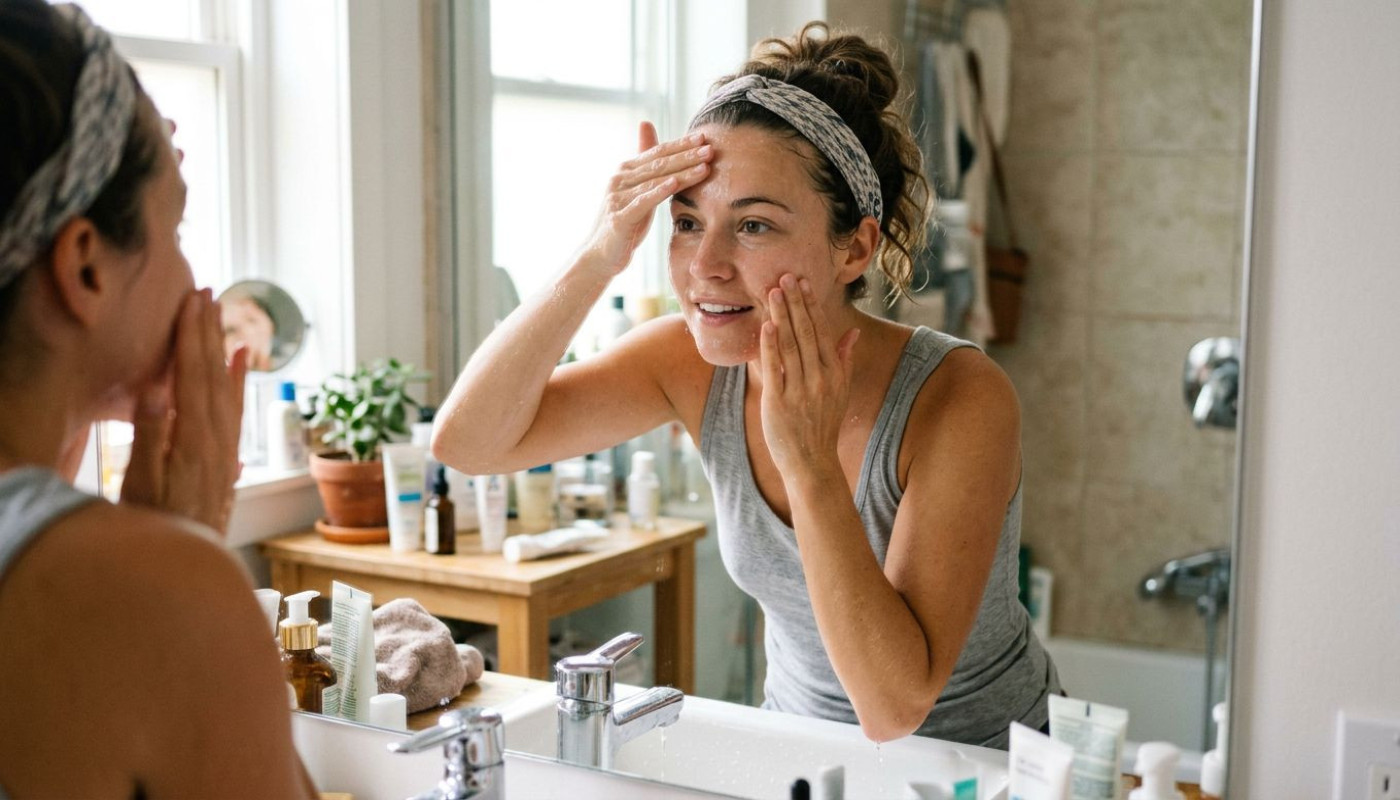
Radiant skin is not a mystery product, it is often the sum of small choices repeated every day, and dermatologists keep seeing the same pattern in clinic: people invest in “active” skincare while daily habits quietly undo the results. In the past year, consumer surveys have also shown routine fatigue and overuse of products rising, as more people chase quick fixes across TikTok and retail “skin cycling” trends. The good news is practical, and it starts with identifying the most common forms of self-sabotage, then replacing them with routines that actually support the skin barrier.
Your skin barrier is taking daily hits
Barrier damage rarely announces itself with a dramatic rash, and that is precisely why it persists. It often shows up as tightness after cleansing, dullness that makeup cannot fix, or “sudden” sensitivity to products you used for months, and dermatology research has repeatedly tied these complaints to disruptions in the stratum corneum, the outer layer that limits water loss and blocks irritants. One of the clearest indicators is transepidermal water loss, a metric used in clinical studies to measure how much moisture escapes; when the barrier is compromised, TEWL rises, and the skin becomes more reactive. This is not niche science: the American Academy of Dermatology routinely emphasizes gentle cleansing, moisturization, and sun protection as foundational steps, because barrier-first basics outperform complicated routines when irritation is the underlying problem.
So what is doing the damage in ordinary life? Over-cleansing is a prime suspect, especially with foaming cleansers used twice daily, hot water, and washcloth friction stacked together. Add in over-exfoliation, whether from scrubs or multiple acids, and the barrier can be pushed into a cycle of inflammation and rebound oiliness that people mistake for “needing stronger products”. Environmental stressors deepen the issue, too: low humidity in winter or air-conditioned offices increases dehydration, and airborne pollution has been linked in peer-reviewed work to oxidative stress that accelerates uneven tone. The solution is not to stop caring for your face, it is to simplify the parts that strip, then be consistent with the parts that protect, including a moisturizer that matches your skin type, and a daily broad-spectrum sunscreen with at least SPF 30, which many public health agencies cite as the minimum standard for everyday exposure.
Overdoing actives: the glow that burns
Chasing instant radiance can backfire fast, and the most common modern mistake is stacking actives as if more is automatically better. Retinoids, alpha-hydroxy acids, beta-hydroxy acids, vitamin C, benzoyl peroxide, and strong exfoliating masks each have evidence behind them, yet they also carry well-known irritation potential, especially when used together or too frequently. In population terms, the trend has become visible: in the United States, for example, the National Health and Nutrition Examination Survey has estimated that roughly one in seven people report having sensitive skin, and dermatologists often note that “sensitive” is sometimes a polite way of saying “over-treated”. Social media routine videos intensify the problem by normalizing long product line-ups, and by framing tingling as proof something is “working”, when persistent stinging is more often a warning sign.
There is also a timing trap: people introduce several new products at once, then cannot identify what caused the flare-up. Irritation leads to redness and flaking, flaking triggers more scrubbing, and scrubbing triggers more inflammation, while the person keeps buying new serums to “fix” what they inadvertently started. A more evidence-aligned approach is slower, but it wins: introduce one active at a time, give it two to four weeks before adding another, and treat any burning, persistent peeling, or escalating redness as a reason to pause. Dermatologists typically recommend using retinoids two or three nights a week at first, then building up as tolerated, and pairing them with a bland moisturizer to buffer the skin. If you want glow without the burn, focus on hydration and consistency, and remember that visible improvement in texture and tone often takes at least one skin cycle, roughly 28 days in healthy adult skin, and longer when inflammation is in the picture.
Hands, phones, and pillows: the overlooked culprits
It is not just what you put on your face, it is what touches it all day. People rest their chin in their hand during work calls, they swipe their cheeks when stressed, they press a smartphone to the jawline, and they wonder why breakouts cluster in the same places. The link is intuitive and supported by what clinicians see: friction, pressure, and transfer of oils or bacteria can contribute to acne mechanica and irritation, and the more occlusive the environment, the more likely pores are to clog. Phones are an easy example because they travel everywhere, and while studies vary on how contaminated devices are, the practical takeaway does not change: a warm screen against the skin, plus repeated contact, plus inadequate cleaning, is a recipe for congestion around the cheeks and jaw.
Night-time habits can be just as decisive, and pillows quietly collect oil, sweat, hair products, and environmental particles. If you are using rich hair oils or leave-in styling products, they can migrate onto pillowcases and then onto facial skin, especially along the hairline and temples. Washing pillowcases more often, tying hair back, and keeping heavy hair products away from the face can reduce that background exposure. The other overlooked “touch” is your own cleansing technique: aggressive rubbing, wiping off makeup with harsh friction, or using textured cleansing tools daily can inflame skin that is already stressed. This is where a more supportive ritual can help, not as a luxury idea but as a mechanical reset, and readers exploring facial massage techniques can find a structured overview at maison-ysae.com, which outlines approaches that prioritize gentler pressure and mindful contact, rather than the scrub-and-strip mentality that often worsens reactivity.
Sleep, stress, and sun: the quiet triple threat
If there is one factor that can erase a week of “perfect” skincare, it is ultraviolet exposure, and it remains the most preventable driver of premature visible aging. UV radiation contributes to collagen breakdown, uneven pigmentation, and persistent redness, and large-scale health authorities consistently frame daily sunscreen as non-negotiable. Yet many people still treat SPF like a beach-only product, then rely on brightening serums to correct the spots that sunlight keeps creating. Even on overcast days, UVA can penetrate clouds and windows, which is why dermatologists often emphasize broad-spectrum coverage, and reapplication when you are outdoors for extended periods. The data is not ambiguous here: photoaging is cumulative, and daily protection is a compounding investment, not a cosmetic preference.
Then there is sleep and stress, the duo that influences inflammation, healing, and behavior. Poor sleep can worsen under-eye puffiness and dullness, and chronic stress can drive people toward picking, over-cleansing, and impulsive product switching, creating a feedback loop. Research has linked psychological stress with impaired barrier recovery and increased inflammatory responses in skin, which helps explain why flare-ups often coincide with deadlines, travel, or family upheaval. Practical changes matter more than perfection: aim for consistent sleep timing, keep the bedroom slightly cooler, and reduce late-night screen exposure that delays melatonin, while protecting the face from accidental irritation by keeping nails trimmed and using pimple patches instead of picking. Combine that with a daily SPF habit, a gentle cleanser, and a moisturizer you actually tolerate, and you will often see steadier improvement than any “miracle” routine that changes every week.
Practical next steps for a routine that works
Start by auditing habits, not products, because most sabotage lives in the everyday. If your face feels tight after cleansing, switch to lukewarm water and a gentler cleanser, and cleanse once daily at night if you are not oily; in the morning, a simple rinse can be enough for many people. If you are using multiple actives, pause and rebuild: keep one targeted active, use it less often, and prioritize moisturization until your skin is calm. If you are breaking out along the jaw and cheeks, clean your phone, avoid pressing it to the face, and change pillowcases at least twice a week, especially if you use hair styling products. If pigmentation is the issue, treat SPF as the cornerstone, and add brightening ingredients only after protection is consistent, otherwise you are bailing water without fixing the leak.
Finally, make the routine livable, because adherence is the real secret. A simple, repeatable plan often looks like this: gentle cleanse at night, moisturize, and wear broad-spectrum SPF 30 or higher every morning; add one active a few nights a week if you have a clear goal such as acne or texture, and avoid introducing new products right before events or travel. If irritation persists, or if you have painful acne, sudden eczema-like patches, or pigment changes, a dermatologist can help rule out conditions that no over-the-counter routine should try to “hack”. Skin responds best to steady, boring consistency, and when daily habits stop sabotaging you, the glow tends to follow on its own timetable.
Budget, bookings, and barrier-friendly choices
Plan your skincare spending like a health budget: prioritize cleanser, moisturizer, and sunscreen, then add targeted treatments only if they address a specific concern. If you are considering an appointment, book outside high-stress weeks so your skin is calmer, and ask in advance about patch-testing and post-care steps. In many countries, dermatology visits may be partially covered depending on medical indication; check your insurer, and set aside funds for daily SPF, the most cost-effective anti-aging tool.
Similar articles


